Bologna Markets: Quadrilatero or Mercato delle Erbe?
Updated October 18, 2026 · 6 min read
The answer first. Start with the Quadrilatero if this is your first visit and you want Bologna’s historic food streets beside Piazza Maggiore. Choose Mercato delle Erbe when you want a covered produce market with places to sit and eat. They are close enough to visit on the same walk. A guide is worthwhile when you want the history of the shops and help distinguishing regional products; it is unnecessary if your priority is browsing and choosing your own lunch.
Two markets, two different experiences
The Quadrilatero is a compact district rather than one market hall. Its narrow streets have hosted craft and commerce since the Middle Ages. Today delicatessens, pasta shops, bakeries and produce displays sit between restaurants and wine bars. It is photogenic and central, but it can feel more like a food quarter than a working market at busy dining times.
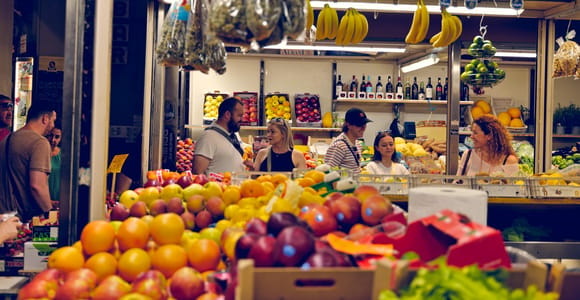
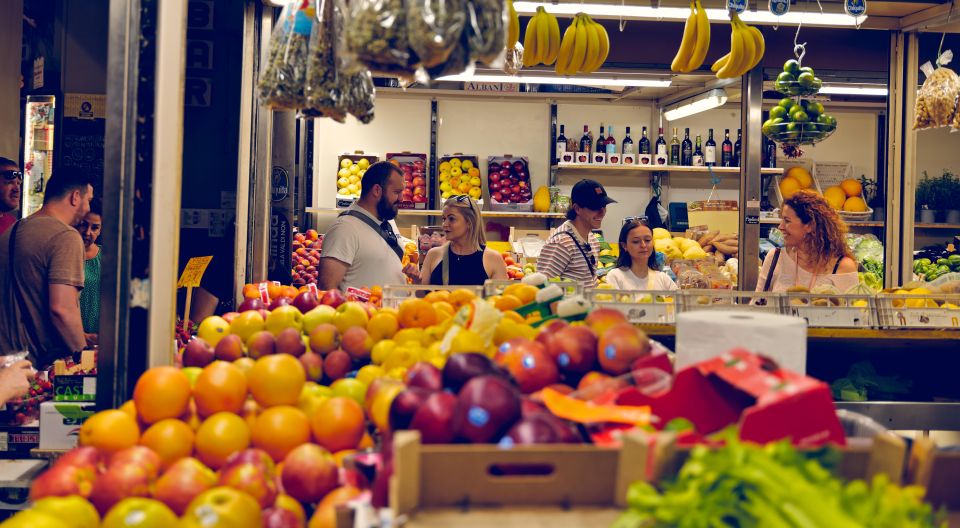
Mercato delle Erbe is a covered market hall in the historic centre. The present hall stands on Via Ugo Bassi and combines traditional fruit, vegetable, meat, cheese, fish and wine counters with food-court areas added during its modern redevelopment. This is the better choice in rain and for seeing ordinary food shopping alongside prepared meals.
When should you go?
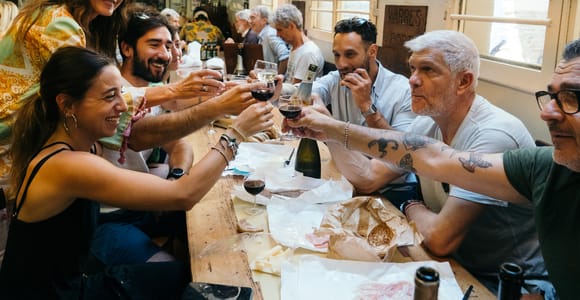
Go in the morning or around lunchtime if produce counters and working shops matter most. In the evening, the experience shifts towards aperitivo, restaurants and socialising. Individual businesses keep their own hours, and a market district does not promise that every stall will be open whenever the surrounding bars are busy. Check the market’s current information before making one particular counter the centre of your day.
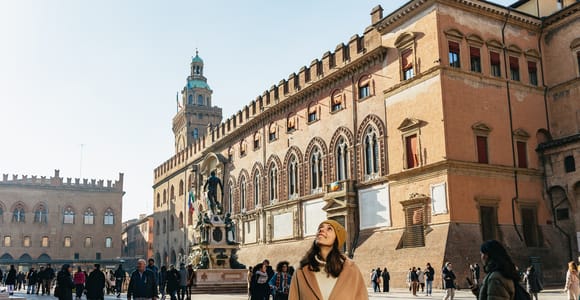
The Quadrilatero is easiest to combine with Piazza Maggiore, San Petronio and the Archiginnasio. Mercato delle Erbe works well between the centre and Via Ugo Bassi. Visiting both gives a more honest picture than treating either as the single definitive Bologna market.
Is the guided market tour worth it?
Bologna: Guided Food Markets Tour starts at €42 and has 89 reviews. It is a walking tour through the historic centre and two local markets; tastings are described as optional purchases rather than included food. That makes it a context-first tour, not a substitute for a full lunch.
Book it if you want someone to explain what you are seeing, prefer a planned route or feel uncertain about ordering. Explore independently if you already know the products, have dietary needs that require careful choices or dislike moving at a group’s pace. For a tasting-led experience, compare it with a dedicated food walk rather than assuming every market tour includes the same amount of food.
What to look for and what to ask
Mortadella Bologna, fresh filled pasta and Parmigiano Reggiano are obvious starting points, but origin and format matter. Ask whether pasta is intended to be cooked later, whether a cheese price is per piece or by weight, and whether a tasting is included before accepting it. If you are travelling onward, consider refrigeration rather than buying more fresh food than you can carry safely.
For allergies, do not rely on appearance. Ask the seller directly about ingredients and cross-contact, and repeat the question at each counter. A guided tour can help with language, but the operator’s current dietary arrangements still need confirmation on the booking page.
A simple market route
Begin at Piazza Maggiore, enter the Quadrilatero through Via Drapperie and browse without treating every display as a compulsory purchase. Continue past the Archiginnasio area, then walk towards Via Ugo Bassi and Mercato delle Erbe. Allow time to choose one deliberate snack or meal rather than collecting similar tastings at every stop.
For most visitors, the best plan is independent browsing in the morning. Choose the guided market tour when the story of Bologna’s trading streets matters as much as the food itself.